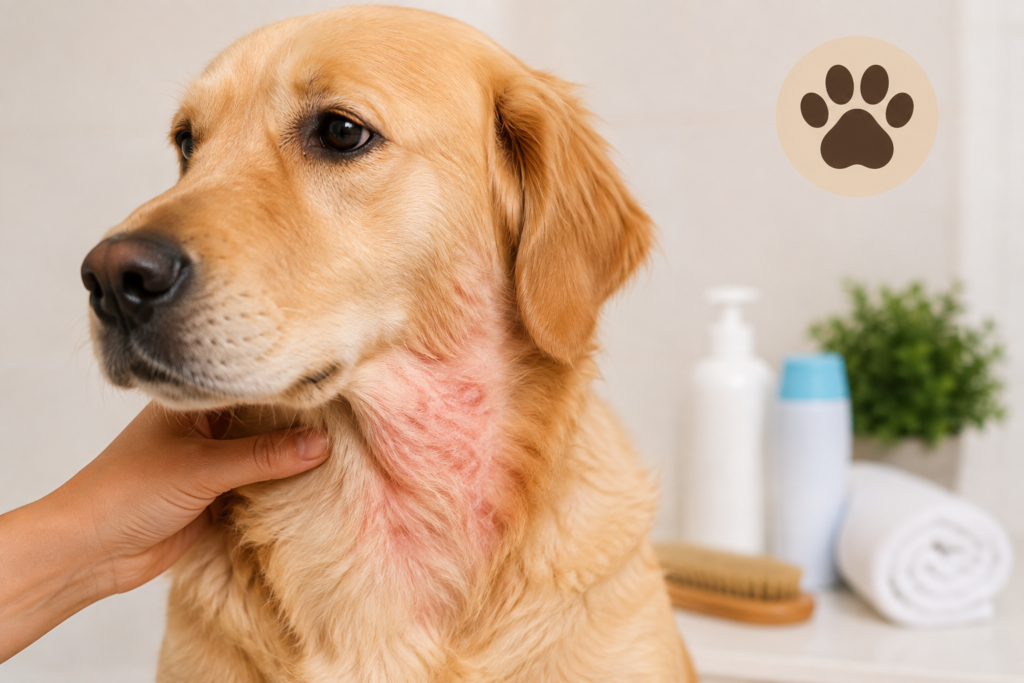
Dogs with sensitive or allergy-prone skin often need extra care. Constant scratching, paw licking, rubbing, and dry or red skin can make your dog uncomfortable. Allergies may be linked to pollen, grass, dust, fleas, or other environmental irritants.
A gentle grooming routine can help keep the coat clean, remove some allergens, and support healthier-looking skin. Here are simple dog skin allergies grooming tips that pet owners can follow at home.
1. Choose a Gentle Shampoo
The right shampoo is important when caring for a dog with sensitive skin. Choose a hypoallergenic dog shampoo that is fragrance-free and made specifically for dogs.
Some sensitive-skin shampoos contain ingredients such as oatmeal or aloe that can help provide a soothing and moisturizing effect.
Avoid using human shampoo on your dog. It may be too harsh for a dog’s skin and can increase dryness or irritation.
If your veterinarian recommends a medicated shampoo, use it according to their instructions.
2. Use Lukewarm Water
Water temperature can make a difference during bath time. Very hot water may make itchy skin feel worse and can contribute to dryness.
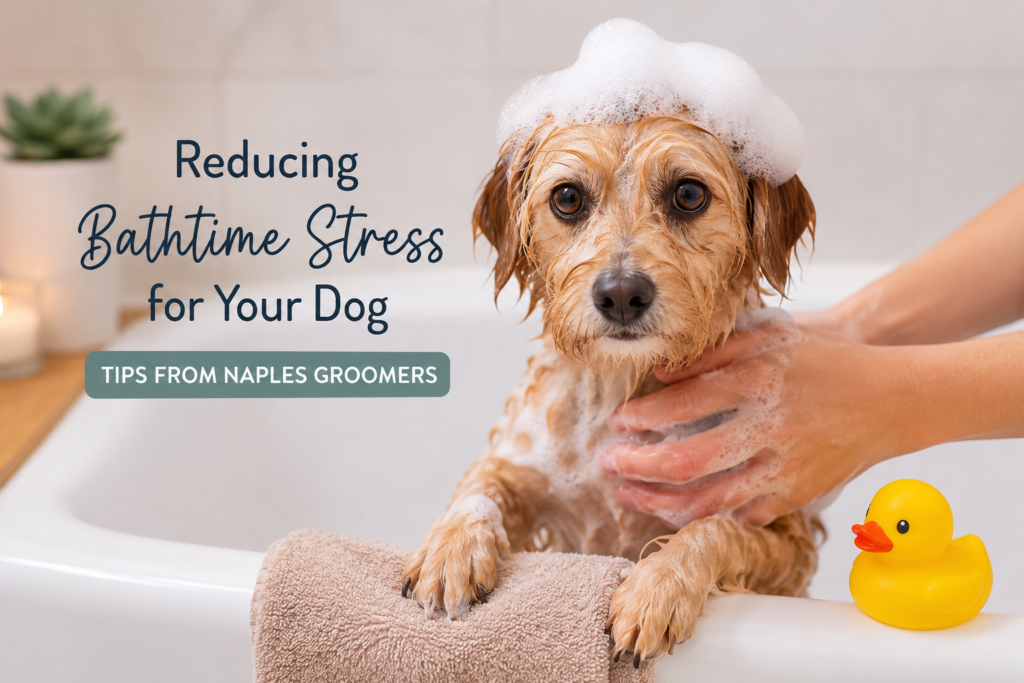
Use lukewarm water when bathing your dog. Wet the coat completely and gently massage the shampoo into the fur.
Do not scrub hard, especially on areas that are already red, sore, or irritated.
3. Rinse the Coat Thoroughly
One of the most important dog grooming tips for allergies is to rinse the coat very well.
Shampoo residue left on the skin can cause additional irritation. Take your time and rinse until there is no shampoo left in the coat.
Pay extra attention to the:
- Belly
- Legs
- Paws
- Neck
- Skin folds
A clean, well-rinsed coat can help make grooming more comfortable for dogs with sensitive skin.
4. Brush Gently and Regularly
Gentle brushing is another important part of dog allergic skin grooming tips. Brushing can remove loose hair, dust, dander, and outdoor debris trapped in the coat.
Use a soft brush that is appropriate for your dog’s coat type. Avoid pulling or brushing aggressively.
If you notice red, painful, or damaged areas, avoid brushing directly over them. A professional groomer can help you choose the right brush and grooming routine for your dog’s coat.
5. Clean Your Dog’s Paws After Walks
Dogs can pick up grass, pollen, dirt, and other outdoor particles on their paws. They may then lick their paws and continue exposing themselves to these irritants.
After walks or outdoor play, gently clean your dog’s paws with a damp cloth or pet-safe wipe.
Check between the toes for dirt, redness, swelling, or irritation. Regular paw cleaning can be a simple part of managing a dog’s exposure to outdoor allergens.
6. Keep the Skin and Coat Dry
Proper drying is an important part of dog skin allergy grooming. After bathing, gently pat your dog with a clean towel rather than rubbing the skin aggressively.
Make sure areas such as the paws, belly, ears, and skin folds are properly dried.
If your dog has a skin condition, ask your veterinarian or professional groomer about the safest drying method.
7. Avoid Unnecessary Shaving
Shaving is not always the best solution for a dog with itchy skin. A dog’s coat can provide protection from sunlight, insects, and environmental irritants.
The right haircut depends on your dog’s breed, coat type, lifestyle, and skin condition.
If your dog needs a haircut, a professional groomer can help select a suitable style while avoiding unnecessary irritation to the skin.
8. Look for Skin Changes During Grooming
Regular grooming gives you an opportunity to check your dog’s skin. Look for:
- Redness
- Scabs
- Dry or flaky skin
- Hair loss
- Open sores
- Unusual odor
- Excessive licking
- Swelling
These signs should not automatically be assumed to be allergies. Fleas, parasites, infections, and other skin conditions can cause similar symptoms.
If you notice something unusual, contact your veterinarian for proper advice.
9. Do Not Over-Bathe Your Dog
Bathing can help remove allergens from the coat, but more baths are not always better. Excessive bathing or using harsh products may dry out the skin.
Your dog’s ideal bathing schedule depends on their coat, lifestyle, skin condition, and veterinary recommendations.
For dogs with diagnosed skin problems, follow the bathing routine recommended by your veterinarian.
10. Consider Professional Grooming
Dogs with sensitive or allergy-prone skin may benefit from professional grooming. A professional groomer can use appropriate bathing products, carefully brush the coat, trim problem areas, clean paws, and help maintain the coat without unnecessary irritation.
For local pet owners, pet grooming in Naples, FL can be a convenient option when your dog needs careful coat and skin care.
Town & Country Pet Grooming provides grooming services designed around a dog’s individual coat and grooming needs.
When Should You See a Veterinarian?
Grooming can help maintain your dog’s coat and remove some irritants, but it cannot diagnose or treat every cause of itchy skin.
Speak with your veterinarian if your dog has:
- Constant scratching or biting
- Open or bleeding sores
- Severe redness
- Significant hair loss
- Repeated ear problems
- Strong skin odor
- Swelling or discharge
Getting the underlying cause identified is important because allergies, parasites, infections, and other conditions may require different treatments.
Final Thoughts
Following simple dog skin allergies grooming tips can make regular coat care easier for dogs with sensitive skin. Use gentle products, lukewarm water, careful brushing, thorough rinsing, and proper drying.
Cleaning your dog’s paws after outdoor activities can also help remove pollen, grass, and dirt from the coat.
Most importantly, pay attention to changes in your dog’s skin. Regular grooming is a useful part of overall pet care, while persistent or severe skin problems should be checked by a veterinarian.